
Kidney Disease Care for Dogs and Cats in Monona and Madison
Kidney disease is one of the most common illnesses in older cats and a frequent concern in senior dogs. Because pets can lose a large portion of kidney function before showing symptoms, early detection makes a real difference. At Four Lakes Veterinary Clinic, we use routine screening, careful diagnostics, and ongoing support to help pets with kidney disease live longer, more comfortable lives.
What Is Kidney Disease?
The kidneys filter waste from the blood, balance fluids and electrolytes, regulate blood pressure, and help produce red blood cells. Kidney disease occurs when they can no longer do this work effectively. It comes in two main forms:
- Chronic kidney disease (CKD): a gradual, progressive loss of function, most common in senior cats and dogs
- Acute kidney injury: a sudden decline caused by toxins such as antifreeze, lilies in cats, grapes or raisins in dogs, certain medications, infections, or urinary blockages
Other contributing causes include advanced dental disease, high blood pressure, kidney infections, and tick-borne illnesses such as Lyme disease.
Signs of Kidney Disease
Early signs are easy to miss. Contact us if your pet shows:
- Increased thirst and urination
- Weight loss or decreased appetite
- Vomiting or nausea
- Lethargy or weakness
- Bad breath with an ammonia-like odor
- A dull, unkempt coat
Increased thirst can also point to diabetes or hyperthyroidism, so testing is the only way to know the cause. Sudden symptoms after possible toxin exposure need an immediate sick pet visit.
How We Diagnose Kidney Disease
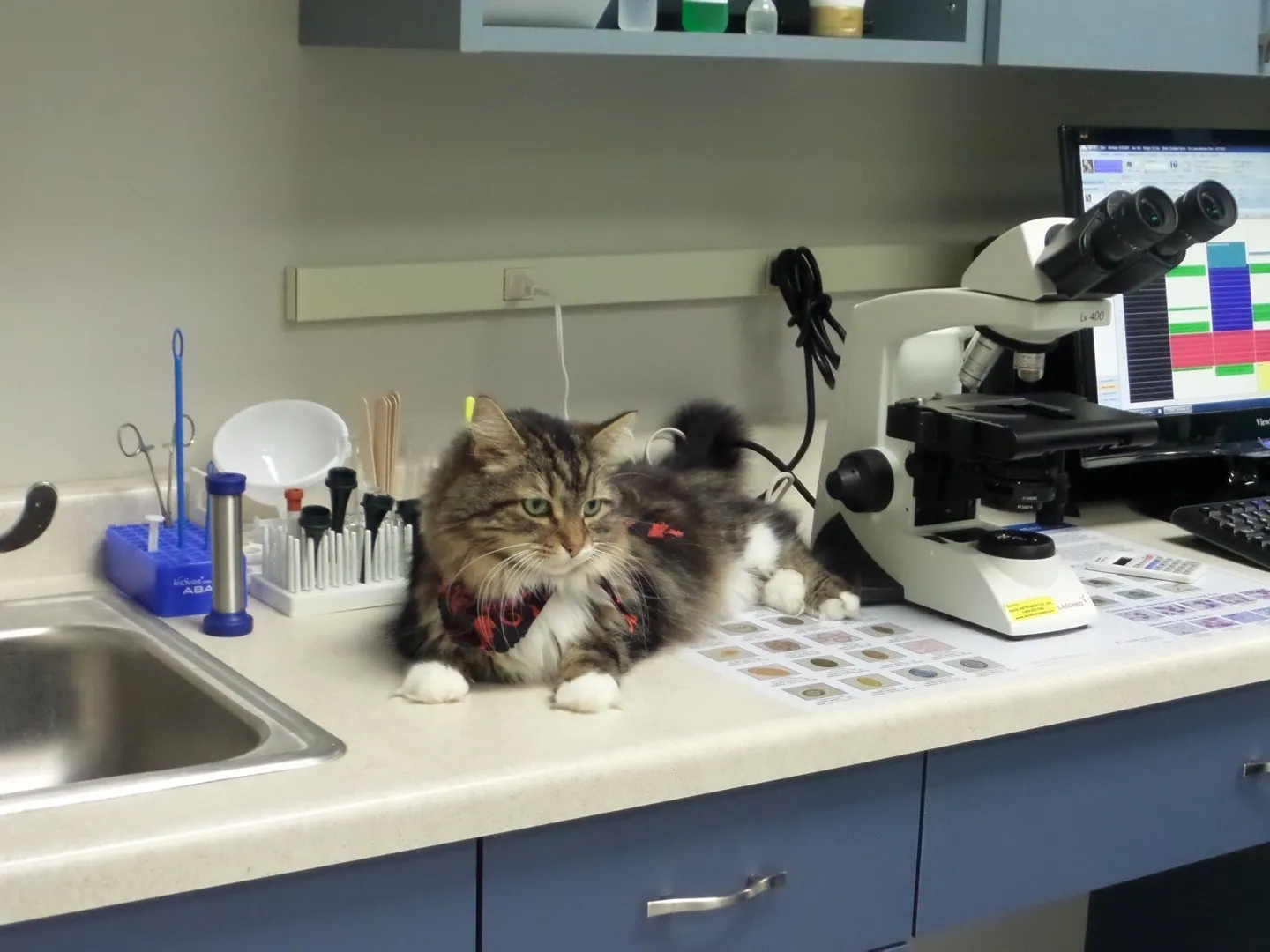
Our in-house laboratory testing lets us check kidney values such as creatinine, BUN, and SDMA, along with a urinalysis to measure how well the kidneys concentrate urine and whether protein is being lost. Blood pressure checks and ultrasound imaging provide more detail about kidney size and structure. These results help us stage the disease using International Renal Interest Society guidelines, so we can create the right care plan. We recommend routine senior bloodwork at your pet’s wellness exams to catch changes early.
Managing Kidney Disease
Chronic kidney disease cannot be reversed, but treatment can slow its progression and keep pets feeling well. Your pet’s plan may include:
- A prescription kidney diet that limits phosphorus and supports kidney function
- Fluid therapy, including subcutaneous fluids our team can teach you to give at home
- Medications to control nausea, appetite, blood pressure, and protein loss, available from our pharmacy
- Phosphate binders and potassium supplements
- Regular rechecks to monitor bloodwork and adjust treatment
Prescription diets can be shipped to your door through our online store. As kidney disease advances, we will help you track quality of life and offer compassionate guidance through our end of life services. Explore other common health concerns on our conditions page.
Kidney Disease in Pets FAQs
What are the early signs of kidney disease in cats and dogs?
Early signs often include drinking more water, urinating more often, weight loss, and a decreased appetite. Many pets show no signs until significant kidney function is lost.
Can kidney disease in pets be cured?
Chronic kidney disease cannot be cured, but it can often be managed for months to years with diet changes, fluids, medications, and regular monitoring.
How is kidney disease diagnosed?
We diagnose kidney disease with bloodwork, including creatinine and SDMA, a urinalysis, and blood pressure checks. Ultrasound may be recommended for a closer look at the kidneys.
Why is kidney disease so common in older cats?
Kidney function naturally declines with age, and cats are especially prone to chronic kidney disease. Routine senior screenings help catch it early.
What foods are toxic to pet kidneys?
Grapes and raisins can cause kidney failure in dogs, and all parts of lily plants can cause kidney failure in cats. Antifreeze is also highly toxic to both.
Does a kidney diet really help?
Yes. Prescription kidney diets are one of the most effective treatments for chronic kidney disease and have been shown to help pets live longer.
How often should a pet with kidney disease be rechecked?
Most pets need rechecks every few months, though frequency depends on the stage of disease and how well your pet is responding to treatment.
Catch Kidney Disease Early
Routine bloodwork can spot kidney changes long before symptoms appear. Call Four Lakes Veterinary Clinic at (608) 819-6750 to schedule a senior screening or kidney evaluation in Monona and Madison.