
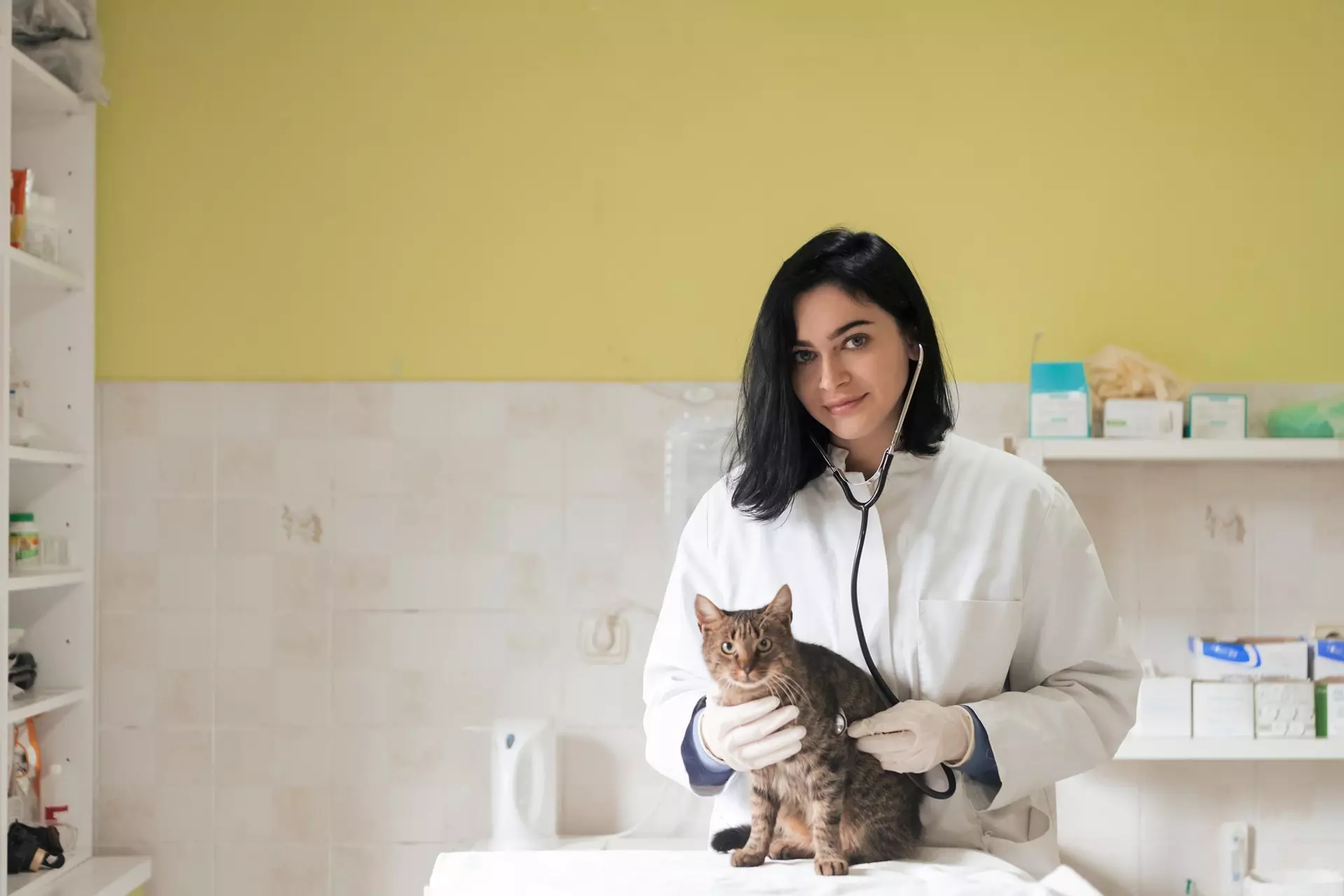
Diabetes Care for Dogs and Cats in Monona and Madison
A diabetes diagnosis can feel overwhelming, but with the right plan, most diabetic dogs and cats go on to enjoy a good quality of life. At Four Lakes Veterinary Clinic, our veterinary team diagnoses diabetes, helps you find the right insulin and diet, and teaches you everything you need to manage your pet’s care confidently at home.
What Is Diabetes in Pets?
Diabetes mellitus happens when the body either does not produce enough insulin or cannot use it properly. Insulin moves sugar from the blood into the body’s cells for energy. Without it, glucose builds up in the bloodstream while the body breaks down fat and muscle for fuel. Dogs most often develop insulin-dependent diabetes similar to type 1 in people. Cats more often develop a form similar to type 2, and with early treatment and diet changes, some cats can even go into remission.
Risk Factors and Warning Signs
Diabetes is most common in middle-aged and senior pets. Obesity, pancreatitis, certain medications such as steroids, and genetics can all raise the risk. Common signs include:
- Drinking much more water than usual
- Urinating more often or having accidents
- Increased hunger with weight loss
- Lethargy or weakness
- Cloudy eyes in dogs, a sign of diabetic cataracts
- A flat-footed, weak gait in the back legs of cats
Vomiting, refusing food, or extreme weakness in a pet with diabetes can signal a dangerous complication called diabetic ketoacidosis and needs an urgent sick pet visit.
How We Diagnose Diabetes
Diagnosis starts with bloodwork and a urinalysis through our in-house laboratory testing to measure blood sugar and look for glucose and ketones in the urine. A fructosamine test shows average blood sugar over the past few weeks, which helps confirm diabetes in cats whose glucose can spike from the stress of a car ride. We also check for related problems such as urinary tract infections, kidney disease, and, in cats, hyperthyroidism.
Treating and Managing Diabetes
Most diabetic pets need insulin injections, usually twice daily with meals. Our technicians will show you how to give injections comfortably, and most pets barely notice them. Your pet’s plan may include:
- Insulin and syringes or pens from our pharmacy
- A consistent feeding schedule and a prescription diet, available through our online store
- Glucose curves or continuous glucose monitors such as the AlphaTrak 3 system to fine-tune insulin doses
- Gradual weight loss for overweight pets
- Regular rechecks to adjust treatment
Look for rebates on monitoring supplies in our current promotions.
Living Well With a Diabetic Pet
Consistency is key. Feeding and insulin at the same times each day, keeping exercise steady, and watching for signs of low blood sugar such as wobbliness, trembling, or seizures help keep your pet stable. Routine wellness exams and dental care also matter, because infections can make blood sugar harder to control. Read about other conditions we manage on our conditions page.
Pet Diabetes FAQs
What are the first signs of diabetes in dogs and cats?
The most common early signs are increased thirst, frequent urination, increased appetite, and weight loss despite eating well.
Can diabetes in cats go into remission?
Yes. Some cats, especially those diagnosed early and treated with insulin and a low-carbohydrate diet, can go into remission and no longer need insulin.
Is giving my pet insulin difficult?
Most owners are surprised by how easy it is. Insulin needles are very fine, and our team will teach you how to give injections comfortably before you go home.
What causes diabetes in pets?
Diabetes can be linked to genetics, obesity, pancreatitis, hormonal conditions, and certain medications. Age is also a factor, as it is most common in middle-aged and older pets.
Can diabetic dogs go blind?
Many diabetic dogs develop cataracts, which can cause vision loss. Good blood sugar control and regular exams help, and cataract surgery may be an option through a specialist referral.
What should I do if my diabetic pet seems weak or wobbly?
Weakness, trembling, or wobbliness can be signs of low blood sugar. Call us right away at (608) 819-6750, or contact the nearest emergency hospital after hours.
How often will my diabetic pet need checkups?
Pets newly diagnosed with diabetes need frequent rechecks while insulin is adjusted. Once stable, most pets are rechecked every few months.
Get Your Pet’s Diabetes Under Control
If your pet is drinking more, urinating more, or losing weight, we can help find out why. Call Four Lakes Veterinary Clinic at (608) 819-6750 to schedule a diabetes evaluation in Monona and Madison.