
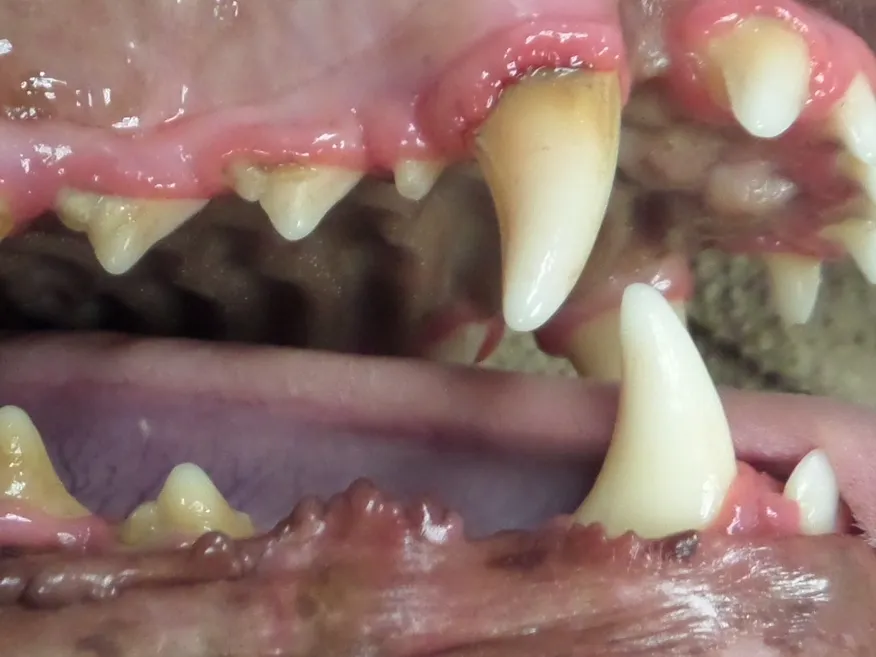
 Our furry friends are pretty incredible. They listen, they love us, they greet us when we get home, and they don’t complain. As a veterinarian, I sometimes wish they were a little more up-front about how they were feeling! Our pets don’t always have the symptoms we would expect. If we had a sore tooth, we would probably avoid chewing in that area, try to eat soft foods, hold up our hand to our mouths, or just say “Ow!” Dogs and cats don’t always seem to follow this path. Dental pain is one of the most commonly overlooked problems I see in my patients. In fact, I often have to convince many pet parents that their pet has a sore tooth since they are so good at hiding their pain! It is not until after their pet has the painful tooth removed, that it becomes obvious that they have been uncomfortable. I often hear afterward a bit of surprise that their pet seems to have more energy and even has a little extra “pep in their step”.
If we are waiting until our pets stop eating from a sore tooth, then we have waited too long. Most of the time, the first signs are subtle. It may just be bad breath. They may chew a slightly different way. They may start shying away from petting around their face or head. Some will scratch at their mouth or rub their face along furniture or the carpet. Others will just seem like they are “feeling their age” or have slowed down a bit. In more severe situations, you may notice discolored teeth, red swollen gums, excessive drooling, or weight loss. It could progress to your pet no longer wanting to eat or only eating very soft foods, but I have found most pets will continue to eat even if most of the teeth in their mouth have a problem!
Dogs start off with 42 teeth (on average) and cats have 30. So if one or a couple are sore, they find a way to chew around them. This is why yearly veterinary exams are so important. Every day we find sore teeth, broken teeth, gum disease, and many other concerns. Sometimes our pets’ problems are even sneakier than that and the problem is below the gum line, which means dental x-rays are needed to find the sore tooth. This is why we do X-rays on all of our patients here for dental cleaning.
So what can we all do to make sure your beloved companion avoids a toothache? Here are a few simple steps.
1) Annual veterinary exams–we encourage questions about teeth!
2) At-home care: daily teeth brushing or OraVet chews to minimize tartar buildup. Also, take a peek in your pet’s mouth (as they will allow safely!) regularly to help find any concerns early. You should be looking for red gums, bad breath, discolored teeth, or if any teeth look different that would suggest a fracture.
3) Regular professional dental cleanings. Just like we need a professional cleaning 1-2 times a year, our pets need a deep clean regularly. The frequency depends on your pet and their genetics, but generally, most need a cleaning every 1-3 years even with great at-home care. This is the best tool to help preserve healthy teeth in your pet!
Here’s to a healthy future for our furry friends’ pearly whites!
-Dr. Kelsey Ricci